
THE KING 2 HEARTS
20 episodes with LEE SEUNG GI and HA JI WON. Photo credits Netflix and Prime Video.
KOREAN- HISTORICAL
7/17/20262 min read
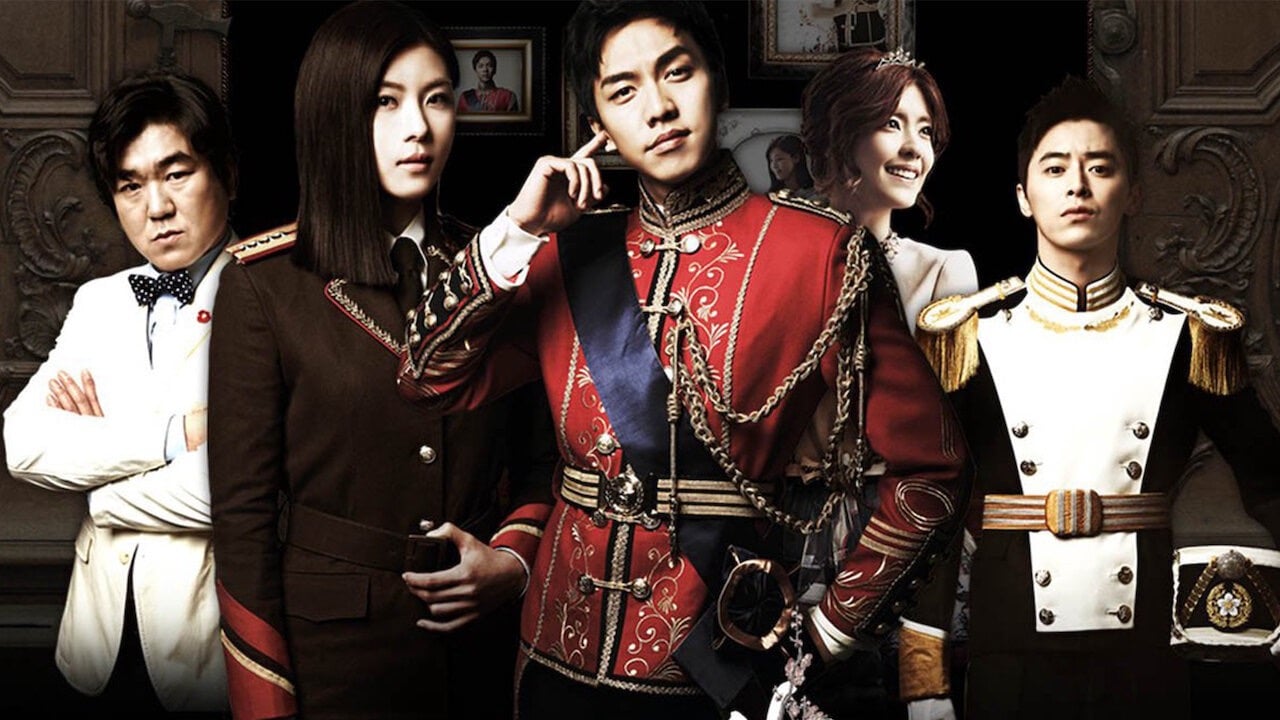
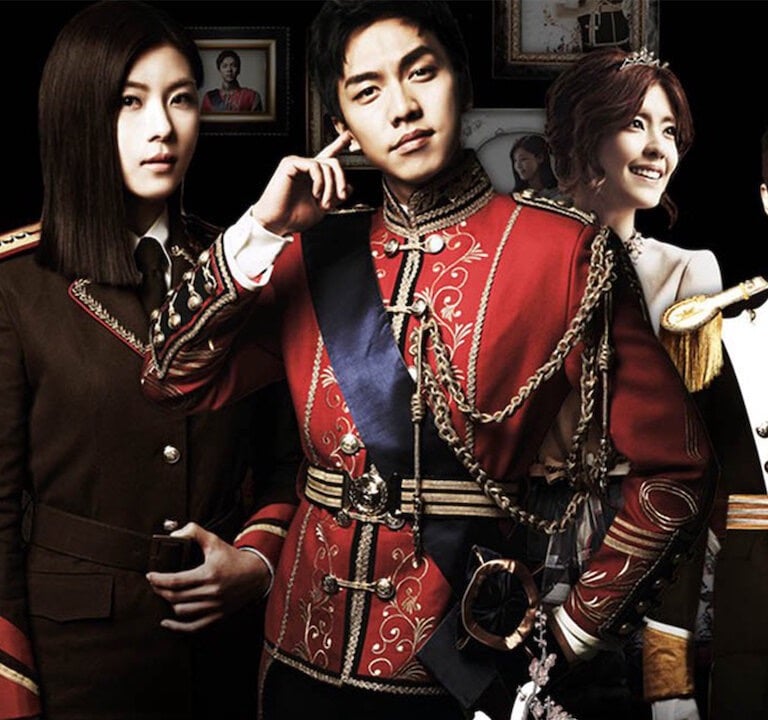
It begins with a choice. Not of politics, but of the heart—as a spoiled prince, drowning in his own irrelevance, and a disciplined soldier, suffocating under the weight of her nation's expectations, agree to an arranged marriage that neither wants. From that cold, calculated transaction, The King 2 Hearts blossoms into something achingly human: a love story that dares to ask whether two people from worlds sworn to hate each other can find common ground not in spite of their differences, but because of them.
But the true power of this series lies not in its grand conspiracies, but in its intimate, aching truths. It teaches us that courage is not the absence of fear; it is the decision to stand firm when every bone in your body screams to run. We watch Jae-ha, a man who once couldn't be bothered to tie his own shoes, learn to bear the unbearable weight of a crown. He doesn't become a superhero; he becomes a man who simply refuses to break. That is a profoundly moving lesson: we are not defined by our weaknesses, but by what we choose to protect despite them.
Then, there is the romance. It is not a gentle, sweeping tide; it is a storm that breaks over you. Jae-ha and Hang-ah's love is built on a foundation of mutual respect forged in fire. They spar, they mock, they distrust, but they also see the invisible scars the other carries. Hang-ah, who has never been allowed to be soft, finds a man who sees her strength not as a threat, but as a sanctuary. Jae-ha, drowning in his own insignificance, finds a woman who demands he be more, simply because she believes he can be.
Their journey is a masterclass in vulnerability. It whispers that real intimacy is letting someone see the terrified child behind the soldier's uniform, the lonely prince behind the smirk. It asks you to trust, even when the world is conspiring to tear you apart.
The King 2 Hearts is a love letter to resilience. It argues that identity is not fixed, that a coward can learn to be brave, and that a heart, once shattered, can learn to beat in sync with another's. It is a powerful, moving, and deeply romantic testament to the idea that the greatest revolution is not the one fought with guns, but the one fought within ourselves, to become the person worthy of the love we so desperately crave.