
EMPRESS KI
51 episodes with HA JI WON and JI CHANG WOOK. Photo credits Moviepilot and You Tube.
KOREAN- HISTORICAL
7/16/20262 min read
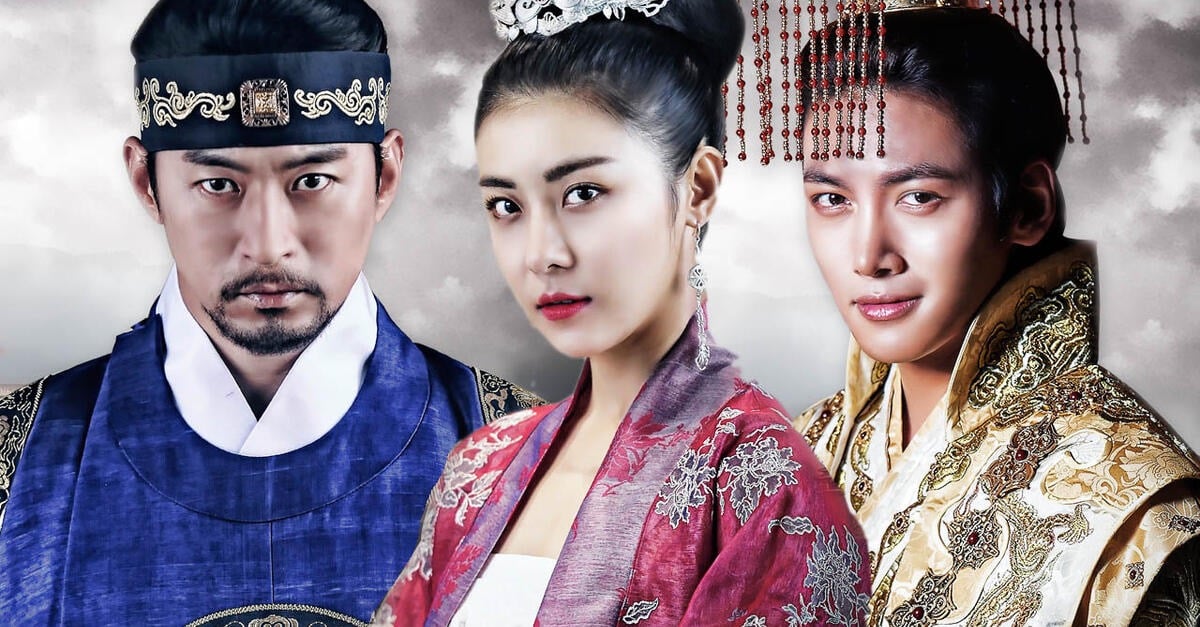
In the sprawling landscape of historical K-dramas, few have cast a shadow as long and as compelling as Empress Ki. At 51 episodes, it stands as a monumental, binge-worthy titan in an industry often celebrated for its concise, 16-episode storytelling. Yet, despite its considerable length, it became a domestic and international hit, proving that a story's power lies not in its brevity, but in its depth and the profound humanity it reflects .
To view Empress Ki as merely a historical spectacle is to miss its most vital heart. Beneath the silks and the political machinations of the Yuan court lies a piercing examination of power, resilience, and the soul-crushing costs of ambition . The drama's triumph is its ability to transform the rise of Ki Seung-nyang—from a Goryeo-born warrior woman to a Mongol Empress—into a timeless parable of human endurance . Her journey teaches us that agency is not a privilege of birth but a currency earned through wit and will. As one reviewer noted, life threw lemons at her, and she not only made lemonade but grew an entire orchard . This is the first, resounding lesson: our circumstances may define our starting point, but they need not dictate our destination.
The series also offers a profound meditation on the nature of power itself. It argues that wealth and brute force are ultimately fragile. The antagonists, like the tyrannical El Temur, wield immense riches and armies, yet they are undone by their failure to understand the systems they seek to control . True power, as the drama illustrates, is rooted in perception and strategic intelligence. This is embodied not just by Seung-nyang, but quietly by the character Tal Tal—a figure of calm intelligence without personal ambition, who understands the political board long before others realize the game is even being played . He stands as a mirror to a sobering reality: wisdom does not always rise to the throne; it is often the unseen force that sustains it.
The show’s 51-episode run is a significant part of its appeal. Instead of rushing a complex narrative, it allows for a slow, agonizing burn, forcing the audience to sit with its characters' suffering and triumphs. Its success speaks to a global craving for stories that demand emotional investment, proving that the extended format can be an asset for rich character development and layered political intrigue . This is not a flaw of the industry but a feature of its most ambitious storytelling.
Ultimately, Empress Ki is a heart-wrenching epic about the choices we make for love, country, and self-preservation. It moves because it refuses to offer easy answers. The protagonist achieves the ultimate seat of power, yet the series ends with a profound sense of tragedy, a stark reminder that the climb to the top often comes at the cost of everything else. It is this unflinching look at the ruins left in the wake of ambition that makes the journey—all 51 episodes of it—an unforgettable and deeply moving experience.