
DIVINE DESTINY
36 episodes with ANGELABABY and MA TIAN YU. Photo credits Viki & iQiyi.
FANTASY/ COSTUME & PERIOD
2/4/20262 min read
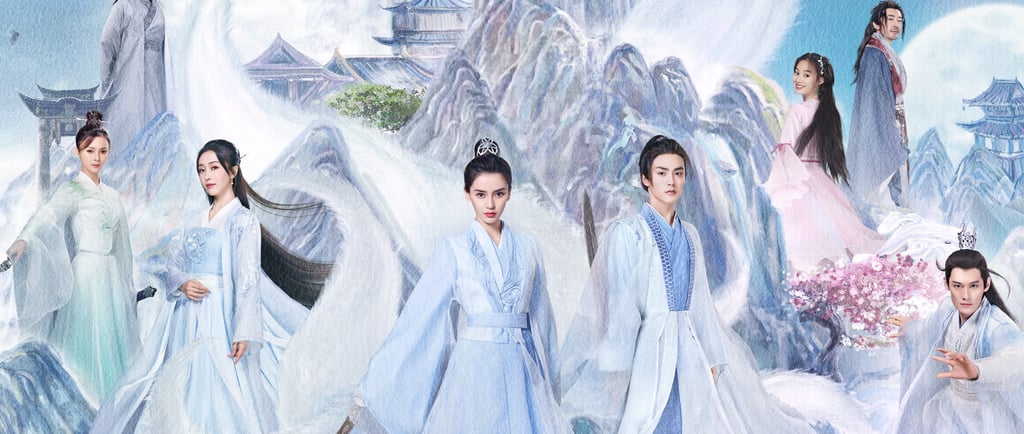
The Chinese series “Divine Destiny” is a compelling fantasy that uses its mythological premise to explore the universal and timeless human quest for identity and purpose. The journey of the orphan Ji Ruo Chen, whose life is irrevocably altered by a single choice, serves as a powerful allegory for finding one’s path, making the series profoundly relatable to a modern audience.
The central, resonant lesson is that destiny is not a fixed, predestined endpoint but a dynamic process of becoming. Ruo Chen’s accidental ascent from obscurity to becoming the heir of a spirit realm mirrors a core truth of our own lives: the most defining opportunities often arrive disguised as disruptions or mistakes. The series suggests that our “divine” path is not about passively following a script, but about actively engaging with these unexpected turns, making choices that gradually align our will with a larger purpose. This reframes the anxiety of life’s uncertainty into a narrative of potential, encouraging viewers to see their own crossroads as meaningful.
Furthermore, the series tackles the profound burden of inherited identity. Ruo Chen’s struggle with a legacy he never asked for parallels the modern pressure to conform to social, familial, or digital expectations. His arc—from resistance to a mature acceptance he shapes himself—offers a lesson in authentic self-definition. It argues that true identity is not found in a title given, but in the values and character forged while carrying one’s responsibilities. This journey from external label to internal conviction is a deeply relatable struggle in any era.
The title itself, “Divine Destiny,” perfectly encapsulates this nuanced philosophy. It asserts that there is a sacred dimension (“Divine”) to our existence—a call to a purpose greater than ourselves. Yet, that purpose is realized as a “Destiny” crafted through human experience, choice, and resilience. It is neither pure fate nor pure chance, but a collaboration between circumstance and character.
Ultimately, “Divine Destiny” finds its lasting relevance by focusing on the shared human condition. Its lessons on navigating uncertainty, forging authentic identity, and discovering purpose through service to others transcend its fantasy setting. It reminds us that every life, like Ruo Chen’s, is an ongoing dialogue between who we are and who we are meant to become, making its ancient theme perpetually new.